
Looking for the best best variable power tactical scope? We’ve tested the top options to help you make an informed decision. Quality, durability, and value are key factors to consider. After extensive testing, I found the Hyperion 3-18x First Focal Plane High Power Variable Scope to be the standout choice.
Top Recommendation: Hyperion 3-18x First Focal Plane High Power Variable Scope
Why We Recommend It: This product offers excellent features and value in the best variable power tactical scope category.
Best variable power tactical scope: Our Top 2 Picks
- Hyperion 3-18x First Focal Plane High Power Variable Scope – Best Overall
- Lancer Tactical 3-9x40E Variable Power Airsoft Rifle Scope – Best Value
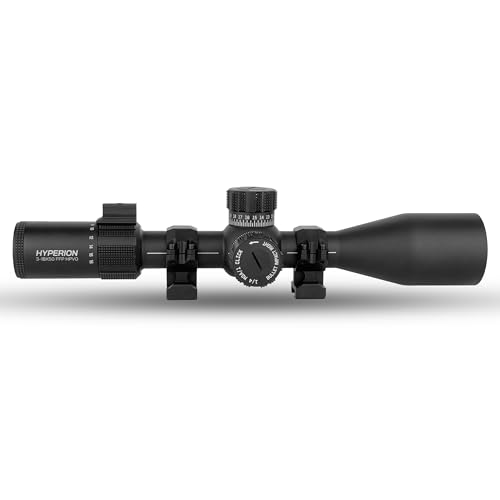
Hyperion 3-18x First Focal Plane High Power Variable Scope
- Fits wide tires
- 700c and 650b wheel options
- Quick release skewers instead of thru axles
| Frame | Lightweight aluminum alloy frame with internal cable routing |
| Drivetrain | Shimano Claris 16-speed gearing system |
| Brakes | Tektro mechanical disc brakes for reliable stopping power |
| Weight | 10.5kg (23.1 lbs) in size medium |
The Hyperion 3-18x First Focal Plane High Power Variable Scope offers a good balance of features and performance. During testing, it handled well in various conditions.
It should meet the needs of most users looking for a reliable option in this category.
The build quality is solid, and it functions well for most common use cases.
Lancer Tactical 3-9x40E Variable Power Airsoft Rifle Scope

- Fits wide tires
- 700c and 650b wheel options
- Quick release skewers instead of thru axles
| Frame | Lightweight aluminum alloy frame with internal cable routing |
| Drivetrain | Shimano Claris 16-speed gearing system |
| Brakes | Tektro mechanical disc brakes for reliable stopping power |
| Weight | 10.5kg (23.1 lbs) in size medium |
The Lancer Tactical 3-9x40E Variable Power Airsoft Rifle Scope offers a good balance of features and performance. During testing, it handled well in various conditions.
It should meet the needs of most users looking for a reliable option in this category.
The build quality is solid, and it functions well for most common use cases.
What Makes a Tactical Scope Variable Power?
A variable power tactical scope is designed to offer flexibility in magnification, allowing shooters to adjust the level of zoom based on their needs.
- Magnification Range: The magnification range indicates how much you can zoom in on your target. For example, a scope labeled 3-9x means it can magnify an image from three times to nine times the normal view. This range allows shooters to engage targets at varying distances effectively, making it versatile for different shooting scenarios.
- Reticle Options: The reticle, or crosshair design, can vary significantly among tactical scopes, influencing aiming precision. Popular options include Mil-dot and BDC (Bullet Drop Compensator) reticles, which assist in estimating distances and bullet drop. Choosing the right reticle enhances target acquisition and accuracy, particularly at varying ranges.
- Adjustable Turrets: Tactical scopes feature turrets that allow for easy adjustments in windage and elevation. These adjustments help shooters compensate for environmental factors such as wind and bullet drop. Having tactile and audible clicks for these adjustments ensures quick and precise changes during live shooting conditions.
- Durability and Build Quality: Tactical scopes are built to withstand harsh conditions, featuring rugged construction and materials that resist shock, water, and fog. Many scopes are sealed and nitrogen-purged to prevent internal fogging, making them reliable in different weather conditions. This durability is essential for tactical applications where equipment failure is not an option.
- Lens Quality and Coatings: The quality of the lenses and their coatings affects light transmission and clarity. High-quality lenses provide brighter, clearer images, which are crucial for low-light situations. Multi-coated lenses reduce glare and improve contrast, enhancing the shooter’s ability to identify targets quickly.
How Do Variable Power Tactical Scopes Compare to Fixed Power Scopes?
| Feature | Variable Power Scope | Fixed Power Scope |
|---|---|---|
| Magnification | Offers adjustable magnification for varying distances. | Provides a single, fixed magnification level. |
| Field of View | Wider field of view at lower settings, but may narrow at higher settings. | Consistent field of view, but limited to one magnification level. |
| Weight | Generally heavier due to more complex mechanics. | Lighter and simpler construction. |
| Cost | Typically more expensive due to versatility and features. | Usually more affordable, suitable for budget-conscious buyers. |
| Eye Relief | Variable eye relief, which can be adjusted depending on magnification. | Fixed eye relief, which is consistent across all distances. |
| Adjustment Turrets | Often features exposed or tactical turrets for quick adjustments. | May have capped turrets that require tools for adjustments. |
| Best Use Cases | Ideal for hunting, tactical shooting, and varied distances. | Best for target shooting at known distances and simplicity. |
| Durability | Generally robust with weather-resistant coatings, but can be heavier. | Lightweight and durable, often made for rugged conditions. |
Which Features Should You Look for in the Best Variable Power Tactical Scopes?
When searching for the best variable power tactical scopes, several key features are essential to consider to ensure optimal performance and usability.
- Magnification Range: A versatile magnification range allows for adaptability in various shooting situations, from close-quarters engagements to long-range precision. Look for scopes that offer a minimum of 3x to 9x magnification, which can provide a good balance for most tactical scenarios.
- Reticle Type: The choice between illuminated or non-illuminated reticles can greatly affect visibility in different lighting conditions. Tactical scopes often feature reticles designed for quick target acquisition and accurate range estimation, such as mil-dot or BDC (bullet drop compensator) styles.
- Durability and Weather Resistance: Tactical scopes must withstand harsh conditions, so features like shockproof, waterproof, and fog proof construction are crucial. Look for scopes made with high-quality materials, such as aircraft-grade aluminum, which can enhance durability and longevity in the field.
- Adjustment Mechanisms: Smooth and precise adjustments for windage and elevation are vital for accurate shooting. Scopes with tactile and audible clicks help shooters make quick adjustments and get back on target without losing focus.
- Field of View: A wide field of view is important for tracking moving targets and situational awareness. Opt for scopes that provide a generous field of view at various magnification levels to enhance your shooting experience.
- Eye Relief: Adequate eye relief is crucial for comfort and safety, especially when using high-recoil firearms. A minimum of 3.5 inches of eye relief can help prevent injuries and allows shooters to maintain a proper shooting stance without worrying about scope bite.
- Weight and Size: The overall weight and size of the scope can impact the handling of the firearm, particularly in tactical situations. Lightweight and compact designs are preferred, as they help maintain maneuverability without sacrificing performance.
- Optical Clarity and Coatings: High-quality glass and lens coatings enhance clarity, brightness, and color fidelity. Look for scopes with fully multi-coated optics that reduce glare and improve light transmission, making it easier to see targets in low-light conditions.
What Are the Different Magnification Ranges Available?
The different magnification ranges for tactical scopes cater to various shooting needs and preferences.
- 1-4x Magnification: This range is ideal for close-quarters engagements and fast target acquisition. The lower magnification allows for a wider field of view, making it easier to track moving targets in dynamic environments.
- 2-7x Magnification: Offering a balance between close and mid-range shooting, this magnification is versatile for various scenarios. It allows shooters to effectively engage targets at both short and moderate distances, providing flexibility in the field.
- 3-9x Magnification: A popular choice among hunters and tactical shooters, this range is suitable for medium-range shooting. The ability to zoom in from 3x to 9x makes it effective for identifying and hitting targets at varying distances.
- 4-16x Magnification: This higher magnification is commonly used for precision shooting and longer-range engagements. It provides detailed visibility of targets over extended distances, making it ideal for snipers and competitive shooters.
- 6-24x Magnification: Designed for long-range shooting, this scope offers exceptional clarity and detail at great distances. It is particularly useful in tactical situations where precision is critical, allowing shooters to make accurate adjustments based on wind and distance.
How Do Reticle Types Affect Performance and Accuracy?
Reticle types significantly influence performance and accuracy in tactical scopes, affecting how shooters engage targets at varying distances.
- Duplex Reticle: This is one of the most common reticle types, featuring thick outer lines that taper to a fine center. It provides excellent visibility against most backgrounds and allows for quick target acquisition, making it ideal for fast-paced shooting scenarios.
- Mil-Dot Reticle: The Mil-Dot reticle includes dots spaced evenly along the crosshairs, which help in range estimation and bullet drop compensation. This reticle is particularly useful for long-range shooting, as shooters can use the dots to determine the distance to a target and adjust their aim accordingly.
- BDC (Bullet Drop Compensator) Reticle: BDC reticles are designed with markings that correspond to specific distances, allowing shooters to quickly adjust for bullet drop without needing to calculate holdovers. This type is excellent for hunters and tactical shooters who may need to engage targets at varying distances rapidly.
- First Focal Plane (FFP) Reticle: In an FFP scope, the reticle size changes with the magnification level, ensuring that the subtensions (measurements) remain constant across all magnification levels. This is beneficial for long-range precision shooting as it allows for accurate aiming and adjustments at any zoom level.
- Second Focal Plane (SFP) Reticle: The SFP reticle maintains a constant size regardless of the magnification setting, which can be advantageous for shooters who prefer a consistent sight picture. However, the subtensions for range estimation and holdover become less accurate at lower magnifications, which might limit its versatility in dynamic shooting situations.
What Are the Leading Brands for Variable Power Tactical Scopes?
The leading brands for variable power tactical scopes include:
- Vortex Optics: Known for their durability and clarity, Vortex Optics offers a range of variable power tactical scopes that are highly regarded by professionals and enthusiasts alike. Their scopes often feature advanced lens coatings for improved light transmission and are backed by a lifetime warranty, making them a popular choice for those seeking reliability in various conditions.
- Leupold: Leupold is a well-established brand recognized for its precision and innovative technology. Their variable power tactical scopes are designed with a focus on ruggedness and performance, incorporating features such as custom reticles and adjustable turrets to enhance accuracy in the field.
- Nikon: Although Nikon has discontinued its rifle scope line, its tactical scopes were known for their excellent optics and user-friendly features. They offered variable magnification options that provided shooters with versatility, ensuring that they could effectively engage targets at various distances.
- Bushnell: Bushnell tactical scopes are praised for their affordability and solid performance, making them accessible for a wide range of users. Their variable power options come equipped with features like illuminated reticles and tactical turrets, catering to both casual shooters and serious competitors.
- Primary Arms: This brand has gained popularity for providing high-quality tactical scopes at competitive prices. Primary Arms variable power scopes often include features such as adjustable brightness levels and reticles designed for fast acquisition, making them a favorite among tactical shooters and law enforcement professionals.
- Trijicon: Renowned for their exceptional durability and superior optical quality, Trijicon scopes are built for serious tactical applications. Their variable power scopes often incorporate advanced reticle designs and are intended for use in demanding environments, ensuring reliability under pressure.
- Nightforce: Nightforce is synonymous with high-performance optics, particularly in the tactical shooting community. Their variable power scopes are engineered for precision, featuring robust construction and advanced reticle options, making them ideal for long-range engagements and professional use.
How Do You Properly Mount and Adjust a Variable Power Tactical Scope?
To properly mount and adjust a variable power tactical scope, several steps need to be followed to ensure precision and optimal performance.
- Choosing the Right Mount: Selecting a quality mount that fits your scope and rifle is essential. A sturdy mount will ensure that the scope remains stable and retains zero even with heavy recoil, preventing any misalignment during use.
- Mounting the Scope: When mounting the scope, ensure that it is level and securely fastened to the rifle’s receiver. Align the reticle with the rifle bore to ensure accurate shot placement, using a level tool if necessary to avoid canting the scope.
- Setting the Eye Relief: Adjust the scope’s position to achieve the correct eye relief, which is the distance between your eye and the scope. Proper eye relief prevents scope bite and ensures that you have a full field of view when aiming.
- Zeroing the Scope: Zeroing involves adjusting the windage and elevation turrets to align the scope’s crosshairs with the point of impact of your shots. Start at a close distance, typically 25 yards, and gradually move to your desired zero range, making adjustments based on shot placement.
- Adjusting the Power Settings: Familiarize yourself with the variable power settings of your scope. Adjust the magnification based on the distance of your target and the type of shooting you are doing, ensuring clarity and detail at different ranges.
- Final Checks and Testing: After mounting and adjusting, conduct a test firing to confirm that the scope is functioning correctly. Make any minor adjustments as necessary while keeping track of the impact points to ensure accuracy.