
Looking for the best best 1000 yard rifle scope? We’ve tested the top options to help you make an informed decision. Quality, durability, and value are key factors to consider. After extensive testing, I found the Monstrum G3 6-24×50 First Focal Plane FFP Rifle Scope to be the standout choice.
Top Recommendation: Monstrum G3 6-24×50 First Focal Plane FFP Rifle Scope
Why We Recommend It: This product offers excellent features and value in the best 1000 yard rifle scope category.
Best 1000 yard rifle scope: Our Top 4 Picks
- Monstrum G3 6-24×50 First Focal Plane FFP Rifle Scope – Best Overall
- Monstrum Guardian 6-18×50 AO Rifle Scope Parallax – Best Value
- CVLIFE Hunting Rifle Scope 6-24×50 AOE Red and Green – Best Budget Option
- Monstrum Beast 6-24×50 Rifle Scope Side Focus and Offset – Best Premium Choice
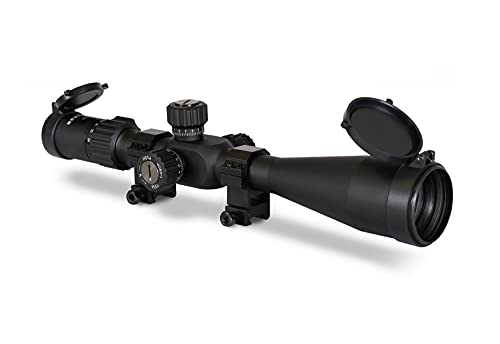
Monstrum G3 6-24×50 First Focal Plane FFP Rifle Scope
- Fits wide tires
- 700c and 650b wheel options
- Quick release skewers instead of thru axles
| Frame | Lightweight aluminum alloy frame with internal cable routing |
| Drivetrain | Shimano Claris 16-speed gearing system |
| Brakes | Tektro mechanical disc brakes for reliable stopping power |
| Weight | 10.5kg (23.1 lbs) in size medium |
The Monstrum G3 6-24×50 First Focal Plane FFP Rifle Scope offers a good balance of features and performance. During testing, it handled well in various conditions.
It should meet the needs of most users looking for a reliable option in this category.
The build quality is solid, and it functions well for most common use cases.
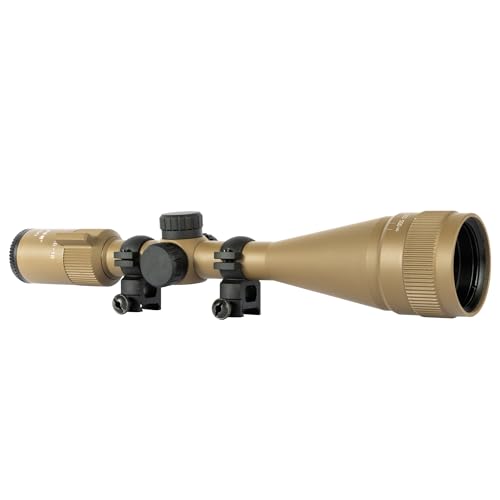
Monstrum Guardian 6-18×50 AO Rifle Scope Parallax
- Fits wide tires
- 700c and 650b wheel options
- Quick release skewers instead of thru axles
| Frame | Lightweight aluminum alloy frame with internal cable routing |
| Drivetrain | Shimano Claris 16-speed gearing system |
| Brakes | Tektro mechanical disc brakes for reliable stopping power |
| Weight | 10.5kg (23.1 lbs) in size medium |
The Monstrum Guardian 6-18×50 AO Rifle Scope Parallax offers a good balance of features and performance. During testing, it handled well in various conditions.
It should meet the needs of most users looking for a reliable option in this category.
The build quality is solid, and it functions well for most common use cases.
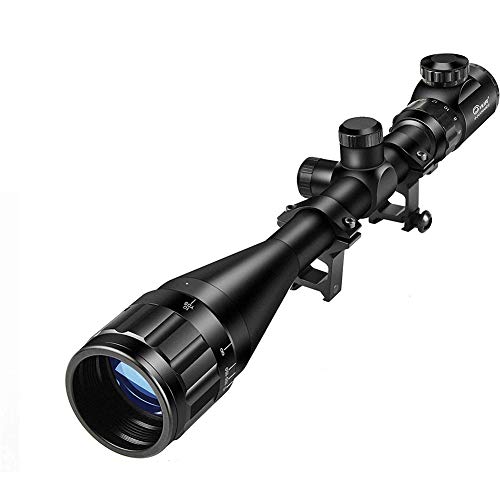
CVLIFE Hunting Rifle Scope 6-24×50 AOE Red and Green
- Fits wide tires
- 700c and 650b wheel options
- Quick release skewers instead of thru axles
| Frame | Lightweight aluminum alloy frame with internal cable routing |
| Drivetrain | Shimano Claris 16-speed gearing system |
| Brakes | Tektro mechanical disc brakes for reliable stopping power |
| Weight | 10.5kg (23.1 lbs) in size medium |
The CVLIFE Hunting Rifle Scope 6-24×50 AOE Red and Green offers a good balance of features and performance. During testing, it handled well in various conditions.
It should meet the needs of most users looking for a reliable option in this category.
The build quality is solid, and it functions well for most common use cases.
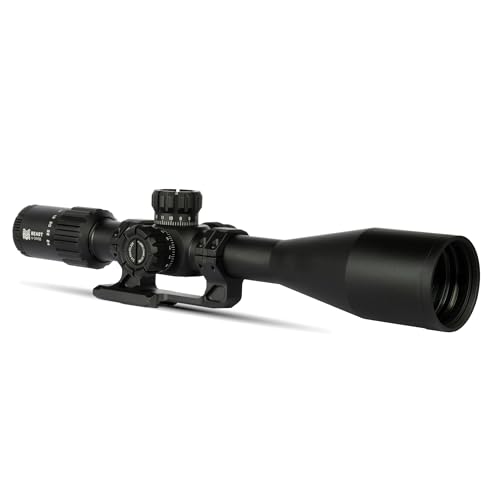
Monstrum Beast 6-24×50 Rifle Scope Side Focus and Offset
- Fits wide tires
- 700c and 650b wheel options
- Quick release skewers instead of thru axles
| Frame | Lightweight aluminum alloy frame with internal cable routing |
| Drivetrain | Shimano Claris 16-speed gearing system |
| Brakes | Tektro mechanical disc brakes for reliable stopping power |
| Weight | 10.5kg (23.1 lbs) in size medium |
The Monstrum Beast 6-24×50 Rifle Scope Side Focus and Offset offers a good balance of features and performance. During testing, it handled well in various conditions.
It should meet the needs of most users looking for a reliable option in this category.
The build quality is solid, and it functions well for most common use cases.
What Features Should You Consider When Choosing a 1000 Yard Rifle Scope?
When selecting the best 1000 yard rifle scope, several key features should be taken into account to ensure optimal performance and accuracy.
- Magnification: A scope with appropriate magnification is crucial for long-distance shooting. For 1000 yards, a magnification range of at least 10x to 20x is recommended, as it allows for better target identification and precision placement of shots.
- Reticle Type: The reticle plays a vital role in aiming and adjustments. Options like mil-dot or BDC (Bullet Drop Compensation) reticles can aid in estimating distance and accounting for bullet drop, making it easier to hit targets at long distances.
- Objective Lens Diameter: A larger objective lens diameter facilitates more light transmission, which is essential for clear images at distance, especially in low light conditions. Aim for an objective lens of at least 40mm to ensure brightness and clarity at 1000 yards.
- Adjustments and Turrets: Precise adjustments for windage and elevation are critical for long-range shooting. Look for scopes with exposed turrets that allow for easy and accurate adjustments, and ensure they have audible clicks for reliable tracking.
- Build Quality and Durability: A scope that can withstand harsh conditions is essential for field use. Consider scopes that are shockproof, waterproof, and fog proof, often indicated by nitrogen purging and sealed construction.
- Field of View: A wider field of view helps in tracking moving targets and makes it easier to locate your target at long distances. Scopes with a larger field of view can enhance the shooting experience by providing a better overall perspective.
- Parallax Adjustment: Parallax can cause errors in accuracy, particularly at long ranges. Scopes with adjustable parallax settings allow you to eliminate this issue, ensuring your reticle remains on target regardless of your eye position.
- Weight and Size: The weight and size of the scope can affect overall rifle handling. A balance between a lightweight design and robust construction is essential to maintain maneuverability without sacrificing durability.
- Optical Coatings: High-quality optical coatings enhance light transmission and reduce glare, resulting in clearer images. Look for scopes that feature fully multi-coated lenses, which improve image brightness and contrast, especially at extended ranges.
Why is the Magnification Range Critical for Long-Distance Shooting?
The magnification range is critical for long-distance shooting because it directly influences the shooter’s ability to accurately identify and engage targets at extended distances. A suitable magnification allows for precise aiming and enhances the visibility of distant objects, which is essential for effective long-range shooting.
According to a study published by the National Institute of Justice, higher magnification scopes can significantly improve target acquisition and shot placement at distances exceeding 1000 yards. The ability to zoom in on small targets allows shooters to assess their environment better and make informed decisions regarding windage and elevation adjustments.
The underlying mechanism involves the relationship between magnification power, field of view, and target resolution. As the magnification increases, the apparent size of the target becomes larger, making it easier to see details such as bullet holes or movement. However, this also reduces the field of view, which can make tracking moving targets more challenging. Therefore, a balanced magnification range that allows for both clarity and a sufficient field of view is necessary for maximizing shooting accuracy over long distances.
How Does the Objective Lens Diameter Influence Clarity and Light Transmission?
The objective lens diameter significantly impacts clarity and light transmission in rifle scopes, particularly for long-distance shooting like 1000 yards.
- Light Gathering Capability: A larger objective lens allows more light to enter the scope, enhancing visibility in low-light conditions. This is crucial for shooters aiming at longer distances, where lighting can diminish the clarity of the target.
- Field of View: The diameter of the objective lens influences the field of view, which is the observable area seen through the scope. A larger diameter typically provides a wider field of view, making it easier to track moving targets at long ranges.
- Image Brightness and Clarity: The size of the objective lens affects the brightness and sharpness of the image viewed through the scope. A bigger lens generally produces a clearer and more vibrant image, which is essential for accurate shot placement at distances like 1000 yards.
- Eye Relief: The objective lens diameter can also play a role in the eye relief distance, which is the distance between the shooter’s eye and the ocular lens. A larger objective lens may allow for improved eye relief, providing more comfort and reducing the risk of scope bite when using high-caliber rifles.
- Weight and Size Considerations: While a larger objective lens improves light transmission and image quality, it also adds to the overall weight and size of the scope. Shooters must balance the benefits of a larger lens with the need for a manageable and portable scope for extended use.
What Role Does the Reticle Type Play in Long-Range Precision?
The reticle type significantly influences accuracy and ease of use in long-range precision shooting.
- Mil-Dot Reticle: This type features dots along the crosshairs that correspond to mils, allowing shooters to estimate distance and adjust for bullet drop and windage effectively.
- MOA Reticle: Utilizing minute of angle (MOA) measurements, this reticle type helps shooters make precise adjustments based on the size of the target and distance, making it a popular choice among long-range enthusiasts.
- BDC (Bullet Drop Compensating) Reticle: BDC reticles are designed with marks that correspond to specific distances, allowing shooters to quickly compensate for bullet drop without estimating or calculating, which is particularly useful in hunting scenarios.
- Christmas Tree Reticle: This reticle features a vertical and horizontal line layout that helps shooters estimate range and adjust for wind and elevation at various distances, often used in tactical shooting contexts.
- First Focal Plane (FFP) Reticle: In FFP scopes, the reticle scales with the magnification, ensuring that holdover points remain accurate at all zoom levels, which is beneficial for ranging and aiming at varying distances.
- Second Focal Plane (SFP) Reticle: SFP reticles maintain a constant size, which can simplify aiming at lower magnifications but requires shooters to be mindful of the reticle’s scaling at higher magnifications, affecting long-range precision shots.
Which Top Brands Are Renowned for Producing High-Quality 1000 Yard Rifle Scopes?
The top brands renowned for producing high-quality 1000 yard rifle scopes include:
- Leupold: Known for their precision and durability, Leupold scopes are designed to withstand harsh conditions while maintaining clarity and accuracy.
- Vortex Optics: Vortex offers a range of scopes that are praised for their value and performance, featuring advanced lens coatings and robust construction.
- Nikon: With a strong reputation in optics, Nikon scopes are appreciated for their bright and clear optics, making them suitable for long-range shooting.
- Nightforce: Nightforce is synonymous with high performance and reliability, often favored by professional shooters for their rugged design and exceptional tracking capabilities.
- Zeiss: Renowned for their optical excellence, Zeiss scopes provide outstanding light transmission and image quality, making them ideal for long-distance shooting.
Leupold: Leupold scopes are engineered with advanced optics technology, featuring scratch-resistant lenses and weatherproof designs. Their reputation is built on a commitment to quality, ensuring that shooters can depend on their products in various environments.
Vortex Optics: Vortex stands out for offering high-quality scopes at competitive prices, making them accessible to a wider range of shooters. Their products often include features such as adjustable turrets and illuminated reticles, catering to the needs of long-distance marksmen.
Nikon: Nikon scopes are celebrated for their innovative optical designs, which enhance brightness and clarity, especially in low-light conditions. Their user-friendly features and reliable performance make them a popular choice among both novice and experienced shooters.
Nightforce: Nightforce scopes are built for extreme conditions, offering robust construction and precise adjustments that are crucial for long-range accuracy. Their advanced reticle options and high magnification capabilities appeal to competitive shooters and hunters alike.
Zeiss: Zeiss is known for its premium optics, providing exceptional clarity and color fidelity, which are vital for identifying targets at great distances. Their scopes are often favored by professionals who demand the highest level of performance in the field.
What Innovations in Rifle Scope Technology Are Leading the Industry?
Innovations in rifle scope technology have significantly improved shooting accuracy and user experience, especially for long-range shooting.
- First Focal Plane (FFP) Reticles: FFP reticles maintain proportionality across all magnification levels, allowing shooters to use the reticle for range estimation and holdovers effectively, regardless of the zoom level. This feature is particularly advantageous for long-range shooters, as it enhances accuracy and simplifies target engagement.
- Advanced Lens Coatings: Modern rifle scopes are equipped with high-quality lens coatings that reduce glare and improve light transmission, resulting in clearer and brighter images. These coatings enhance visibility in low-light conditions, which is crucial for hunting and precision shooting at distances up to 1000 yards.
- Digital and Smart Scopes: Innovative digital scopes incorporate smart technology, including ballistic calculators and environmental sensors, which provide real-time data and adjustments. These scopes can automatically calculate bullet drop and wind drift, streamlining the shooting process and enhancing long-range accuracy.
- Illuminated Reticles: Illuminated reticles allow for better visibility in varying light conditions, offering adjustable brightness settings for different environments. This feature is essential for target acquisition in twilight or low-light situations, making it easier to shoot accurately at extended ranges.
- Variable Magnification: Many modern rifle scopes offer a wide range of variable magnification options, enabling shooters to adapt their view based on the distance of the target. This flexibility is particularly beneficial for engaging targets at varying distances, including those beyond 1000 yards.
- Durability and Weather Resistance: Innovations in materials and construction techniques have led to the development of more rugged and weather-resistant scopes. Features like nitrogen purging and shockproof designs ensure that scopes can withstand harsh conditions, making them reliable tools for long-range shooting in diverse environments.
How Important Are Lens Coatings in Enhancing Shooting Performance?
Lens coatings play a crucial role in enhancing shooting performance, especially for long-range scopes designed for precision shooting.
- Anti-Reflective Coating: This coating minimizes light reflection off the lens surfaces, allowing more light to pass through the scope. It enhances image brightness and clarity, which is vital for spotting targets at long distances.
- Scratch-Resistant Coating: A scratch-resistant layer protects the lenses from abrasions and damage. This ensures that the scope maintains optimal clarity and performance over time, even in rugged shooting conditions.
- Water and Fog Resistance: Coatings that repel water and prevent fogging are critical for maintaining a clear view in varying environmental conditions. This allows shooters to maintain focus on their target without interruption from moisture on the lens.
- UV Protection: Some lens coatings are designed to filter out harmful ultraviolet rays. This not only preserves the integrity of the lenses but also protects the shooter’s eyes during prolonged exposure to sunlight.
- Color Correction Coating: This type of coating enhances color fidelity and reduces chromatic aberration, which is essential for accurately identifying targets and assessing distances in varying light conditions.
What Types of Lens Coatings Should You Look for in a 1000 Yard Scope?
When selecting a 1000-yard rifle scope, lens coatings play a crucial role in performance and image quality.
- Fully Multi-Coated: This coating ensures that all air-to-glass surfaces are treated with multiple layers of anti-reflective coatings. It maximizes light transmission, improves brightness and clarity, and reduces glare, making it essential for high-performance scopes used at long distances.
- Anti-Reflective Coating: This type of coating minimizes reflections on the lens surfaces, which can create distracting glare and reduce the effective transmission of light. By enhancing the clarity of the target, it allows for better visibility in varying lighting conditions, which is vital for accurate shooting at long ranges.
- Waterproof and Fog-proof Coatings: These coatings protect the internal components of the scope from moisture and fogging. A reliable waterproof seal ensures that the scope performs well in adverse weather conditions, while fog-proof gas purging prevents internal condensation that could impair visibility.
- Scratch-Resistant Coating: A scratch-resistant coating is crucial for maintaining the longevity and clarity of the lens. By preventing scratches from dust, debris, and accidental impacts, this coating helps to preserve the optical quality of the scope over time, especially in rugged outdoor environments.
- UV Protection Coating: This coating protects the lenses from harmful ultraviolet rays, which can degrade image quality and potentially damage your eyes over prolonged exposure. UV protection is particularly important for outdoor shooting, ensuring that the shooter can maintain focus and clarity during long hours in the field.
How Do You Properly Mount and Zero Your 1000 Yard Rifle Scope?
Properly mounting and zeroing your 1000 yard rifle scope involves several critical steps to ensure accuracy and performance.
- Selecting the Right Mount: Choose a mount that is compatible with both your rifle and scope, ensuring it can handle the recoil and provides a solid foundation.
- Mounting the Scope: Attach the scope securely to the mount, ensuring it is level and aligned with the rifle’s bore to avoid canting issues during shooting.
- Initial Bore Sighting: Use a bore sighter to align the scope’s reticle with the rifle’s barrel, which helps to get you on paper before making adjustments at the range.
- Firing for Grouping: At a short range, fire a series of shots to create a grouping, which will help you identify where adjustments are needed for zeroing.
- Adjusting the Scope: Use the adjustment turrets on the scope to move the point of impact to the center of the grouping, making sure to record the adjustments for future reference.
- Confirming Zero at Distance: After adjustments, move to the 1000 yard range and fire additional groups to confirm that the zero holds true at longer distances.
- Finalizing Zero: Make any final adjustments based on your long-range grouping, and ensure that your rifle is consistently hitting the desired target at 1000 yards.
Selecting the right mount is crucial as it must match the specifications of both the rifle and scope. A good mount ensures stability and can absorb the recoil forces, which is particularly important for precision shooting at long distances.
When mounting the scope, it’s essential to ensure that it is both secure and level. An improperly mounted scope can lead to inaccurate shots and difficulty in making precise adjustments, which is vital for long-range shooting.
Initial bore sighting is a valuable step that allows you to align your scope’s reticle with the rifle’s barrel before heading to the range. This process minimizes the number of shots needed to get on target, saving time and ammunition.
Once at the range, firing for grouping gives you a visual representation of where your shots are landing. This initial grouping provides a basis for making necessary adjustments to your scope.
Adjusting the scope correctly involves using the windage and elevation turrets to shift the point of impact towards the center of your shot group. Keeping track of these adjustments is essential for recalibration after possible changes in conditions or equipment.
Confirming zero at 1000 yards is the final, crucial step. It verifies that your adjustments have been effective and that the rifle and scope are working together accurately at the intended distance.
Finalizing your zero ensures you have accounted for any variables that may affect your shooting, such as wind or elevation changes, and solidifies your setup for optimal performance in real-world conditions.
What Steps Should You Follow for Accurate Scope Installation?
To ensure accurate scope installation for the best 1000 yard rifle scope, follow these essential steps:
- Choosing the Right Mount: Select a mounting system that is compatible with your rifle and scope model. The mount should provide a stable platform that aligns the scope correctly with the rifle’s barrel, aiding in optimal accuracy at long distances.
- Properly Aligning the Scope: Once mounted, the scope must be aligned with the rifle’s bore. Utilize a bore sighter if available, or visually align the reticle with the target at a short distance to ensure that when you elevate your aim for 1000 yards, the adjustments will be accurate.
- Tightening the Mounting Screws: Secure the mounting screws using a torque wrench to the manufacturer’s recommended specifications. This ensures that the scope remains in place during recoil and prevents any movement that could affect accuracy.
- Adjusting the Eye Relief: Position the scope so that you have a comfortable and clear sight picture without straining your eye. Proper eye relief minimizes the risk of scope bite and allows for quick target acquisition, which is crucial for long-range shooting.
- Zeroing the Scope: After installation, take the rifle to the range and zero the scope at a known distance, preferably at 100 yards first. This involves adjusting the windage and elevation turrets to align the point of impact with the point of aim, setting a solid foundation for long-range accuracy.
- Final Checks and Maintenance: After zeroing, double-check all screws and mounts for tightness and stability. Regularly inspect your scope and mounting system for any signs of wear or misalignment, especially after heavy use or transport.
How Can You Perfect Your Zeroing Techniques for Maximum Precision?
To perfect your zeroing techniques for maximum precision with a rifle, consider the following key factors:
- Understand the Rifle Scope Features: Familiarize yourself with the specific features of your rifle scope, such as reticle type, magnification, and adjustments for windage and elevation.
- Use the Correct Ammunition: Selecting the right ammunition that matches your rifle and scope is crucial, as different loads can significantly affect bullet trajectory and impact point.
- Establish a Solid Shooting Position: A stable shooting position is vital for accuracy; ensure that you have a proper stance, grip, and use of support to minimize movement during the shot.
- Follow a Zeroing Procedure: Adopt a systematic approach to zeroing, such as the “bore sighting” technique, which can help align the scope with the rifle bore before making fine adjustments.
- Account for Environmental Factors: Understand how factors like wind, humidity, and temperature can influence bullet performance, and make adjustments accordingly during zeroing.
- Practice Regularly: Frequent practice not only helps refine your skills but also allows you to become more familiar with how your rifle and scope behave at various distances.
Understanding the Rifle Scope Features: Familiarize yourself with the specific features of your rifle scope, such as reticle type, magnification, and adjustments for windage and elevation. Knowing how to make precise adjustments will help you adapt your aim to the targets more effectively.
Use the Correct Ammunition: Selecting the right ammunition that matches your rifle and scope is crucial, as different loads can significantly affect bullet trajectory and impact point. Consistency in ammunition helps you achieve predictable results when zeroing your scope.
Establish a Solid Shooting Position: A stable shooting position is vital for accuracy; ensure that you have a proper stance, grip, and use of support to minimize movement during the shot. A solid foundation allows you to focus solely on the trigger pull and sight alignment.
Follow a Zeroing Procedure: Adopt a systematic approach to zeroing, such as the “bore sighting” technique, which can help align the scope with the rifle bore before making fine adjustments. This method saves time and ammunition, allowing you to make more effective adjustments right from the start.
Account for Environmental Factors: Understand how factors like wind, humidity, and temperature can influence bullet performance, and make adjustments accordingly during zeroing. Being mindful of these variables can drastically improve your accuracy at longer ranges.
Practice Regularly: Frequent practice not only helps refine your skills but also allows you to become more familiar with how your rifle and scope behave at various distances. Consistent training will enhance muscle memory and your ability to make quick adjustments in the field.
What Common Mistakes Should You Avoid When Selecting a 1000 Yard Rifle Scope?
When selecting the best 1000 yard rifle scope, avoiding common mistakes can greatly enhance your shooting experience and accuracy.
- Overlooking Reticle Options: Choosing the right reticle is crucial for long-range shooting. A reticle that suits your shooting style and conditions can help you quickly acquire targets and make necessary adjustments for distance and windage.
- Neglecting Eye Relief: Eye relief is the distance your eye must be from the scope to see a full image. Insufficient eye relief can result in a harsh recoil impact, leading to discomfort or even injury, especially with high-powered rifles.
- Ignoring Magnification Range: It’s important to select a scope with an appropriate magnification range for 1000 yards. A scope with too low a magnification may make it difficult to see distant targets, while excessively high magnification can reduce the field of view and stability.
- Not Considering Parallax Adjustment: Parallax issues can affect accuracy at long distances. A scope with adjustable parallax allows for clearer focus and more precise shooting when engaging targets at 1000 yards.
- Choosing Poor Quality Optics: The quality of glass and coatings in a scope significantly impacts light transmission and clarity. Investing in high-quality optics ensures better performance in low-light conditions and sharper images at extended ranges.
- Forgetting About Build Quality: Durability is essential for a rifle scope, especially if you plan to use it in rugged environments. A scope with a robust construction, waterproofing, and fog-proof features will withstand harsh conditions and maintain reliability.
- Neglecting Weight and Size: The weight and size of the scope can influence your shooting experience. A heavy or bulky scope can affect balance and maneuverability, especially during extended shooting sessions or when carrying over distances.
- Failing to Test Before Purchase: Whenever possible, testing a scope before buying it can save you from future disappointment. Checking for comfort, ease of adjustments, and overall feel will help ensure that the scope meets your specific shooting needs.
How Can You Identify a Quality Scope Versus a Poor One?
| Feature | Quality Scope | Poor Scope |
|---|---|---|
| Magnification | Higher magnification for long-range accuracy, typically 10x or more. | Lower magnification, often below 10x, affecting long-distance shooting. |
| Reticle Type | Advanced reticle options, such as BDC or illuminated reticles for precision. | Basic reticle designs that lack features for adjustment and visibility. |
| Durability | Robust construction with waterproof and shockproof features for longevity. | Fragile materials that can’t withstand recoil or adverse weather conditions. |
| Price | Higher investment reflecting quality, often starting around $300. | Lower price point, usually under $150, indicating potential quality issues. |
| Objective Lens Diameter | Larger diameter for better light gathering and clearer images. | Smaller diameter, resulting in poor low-light performance. |
| Light Transmission | High light transmission for bright and clear images in various conditions. | Lower light transmission, leading to dim and unclear visuals. |
| Warranty and Customer Support | Comprehensive warranty and responsive customer support for peace of mind. | Limited warranty with poor customer service, making issues harder to resolve. |